Systematic biosecurity approach
Biosecurity protocols form the foundation of our production operations. Each facility implements controlled access procedures, water treatment systems, and environmental monitoring to keep pathogens out of production, and every batch is PCR tested before dispatch.
Our approach follows established aquaculture biosecurity standards, adapted to regional conditions and continuously refined based on monitoring data and industry developments.
Our broodstock is Specific Pathogen Free, sourced from a CAA-approved supplier.
What every batch is tested for
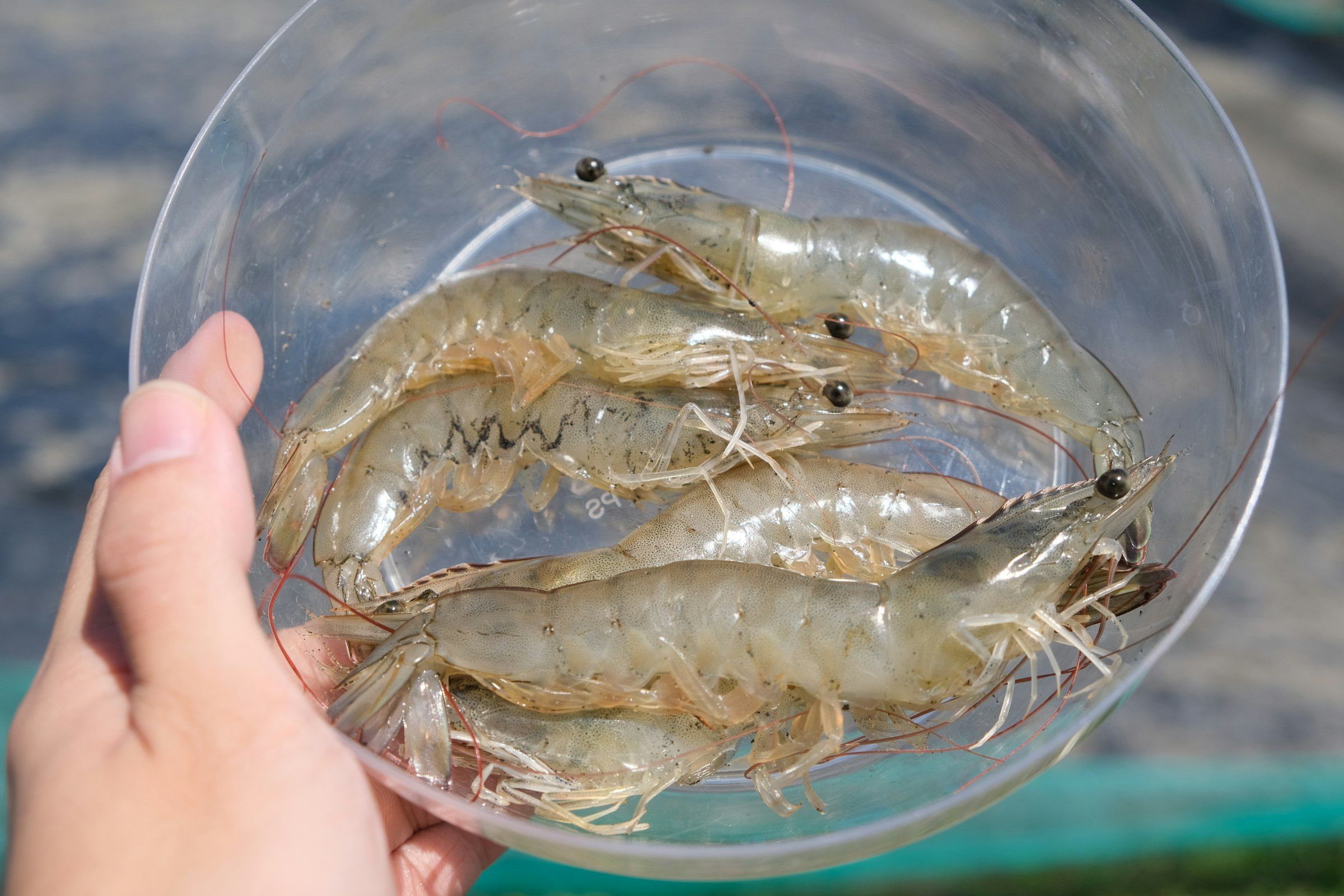
Before any batch leaves the hatchery it is PCR tested for the four pathogens that do the most damage in Indian Vannamei farming. The report travels with the seed.
- WSSV
White spot syndrome virus
Virus
The most damaging viral disease of farmed shrimp worldwide. An outbreak can take a pond within days.
- EHP
Enterocytozoon hepatopenaei
Microsporidian parasite
Infects the hepatopancreas. Rarely kills outright, but causes slow growth and wide size variation at harvest.
- IHHNV
Infectious hypodermal and haematopoietic necrosis virus
Virus
In vannamei it is linked to runt-deformity syndrome: stunted growth and bent rostrums that cut harvest value.
- AHPND
Acute hepatopancreatic necrosis disease
Bacterial toxin
Caused by Vibrio strains carrying the PirA/PirB toxin genes. Also called EMS; it strikes in the first weeks after stocking.
A PCR result describes the sample tested, on the day it was tested. Keep the report with your batch reference as part of your farm records.
One line from broodstock to pond
Traceability is not a single test. It is a record at each point a batch passes, all tied to one reference.
- Step 1
Broodstock
Specific Pathogen Free broodstock from a CAA-approved supplier, PCR screened and quarantined before it enters production.
Recorded: Source and screening results
- Step 2
Spawning
Eggs hatch into nauplii within about a day of spawning. Each spawn is logged against the broodstock it came from.
Recorded: Spawn date and parent stock
- Step 3
Larval rearing
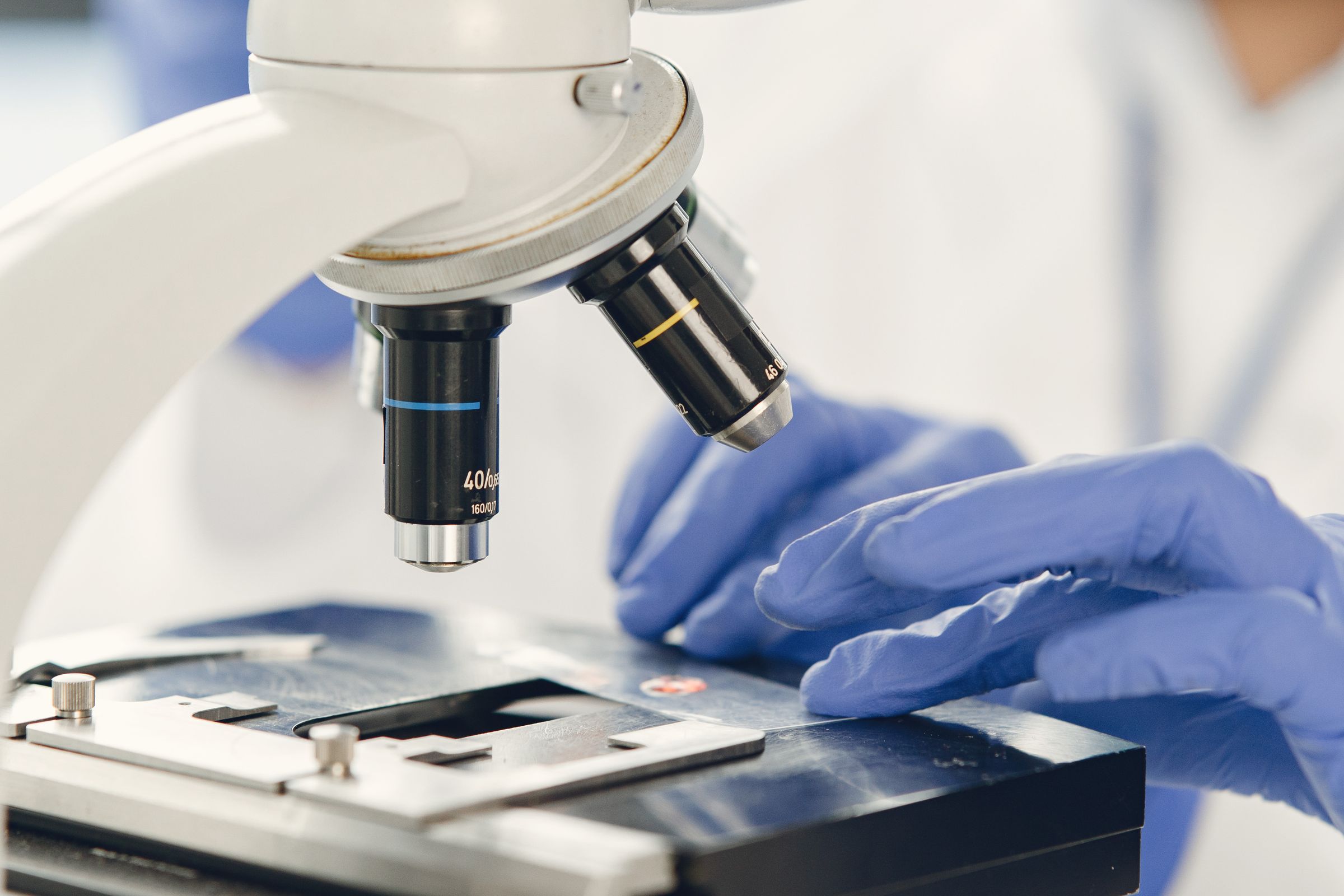
Nauplius, zoea and mysis stages in controlled tanks, with daily microscope checks on health, feeding and development.
Recorded: Daily tank observations
- Step 4
PCR testing
Before dispatch every batch is tested for WSSV, EHP, IHHNV and AHPND, and checked for size uniformity and activity.
Recorded: PCR report for the batch
- Step 5
Dispatch
The batch leaves with a unique reference that links it to every record above, and its PCR report travels with it.
Recorded: Batch reference on the delivery
- Step 6
Your pond
Acclimatise, stock in the cooler hours, and keep the batch reference. Quote it and the zone team pulls the full history.
Recorded: Your copy of every record
Quality control processes
-
Water quality management
Multi-stage filtration and treatment systems maintain controlled water parameters. Salinity, temperature and dissolved oxygen are tested, and water is screened for pathogens, at defined intervals.
-
Broodstock screening
All broodstock undergo PCR testing for major pathogens before introduction to production facilities. Quarantine protocols ensure only animals that have tested negative enter breeding programs.
-
Larval development monitoring
Daily observation and testing track larval health indicators, growth rates, and developmental milestones. Microscopic examination identifies potential issues before they affect batch quality.
-
Facility sanitation
Systematic cleaning and disinfection protocols between production cycles reduce the risk of pathogen carryover. All equipment and surfaces undergo verified sanitation procedures.
-
Environmental controls
Controlled access zones, footbaths, and equipment sterilization prevent external contamination. Staff follow strict hygiene protocols when entering production areas.
-
Batch testing
Pre-delivery testing verifies each batch meets specifications for size uniformity, activity levels, and negative PCR results for WSSV, EHP, IHHNV and AHPND. Complete documentation accompanies every shipment.
Testing protocols and traceability
Our quality control systems implement testing at critical control points throughout production. PCR testing for viral pathogens, microscopic examination for parasites, and water quality analysis occur at defined frequencies.
Each batch receives unique identification codes linking production records, test results, and delivery documentation. This traceability system allows complete tracking from broodstock source through farm delivery.
Technical managers receive detailed batch reports including test results, growth performance data, and handling recommendations. This transparency enables informed stocking decisions and farm planning.
Consistency across facilities
All Raj Hatcheries facilities follow identical biosecurity protocols and quality control procedures. This standardization ensures consistent seed quality regardless of production location.
Regular audits verify protocol compliance across facilities. Technical teams share monitoring data and operational insights to maintain uniform standards and continuous improvement.